EDITORIAL
Pigeon Magazine
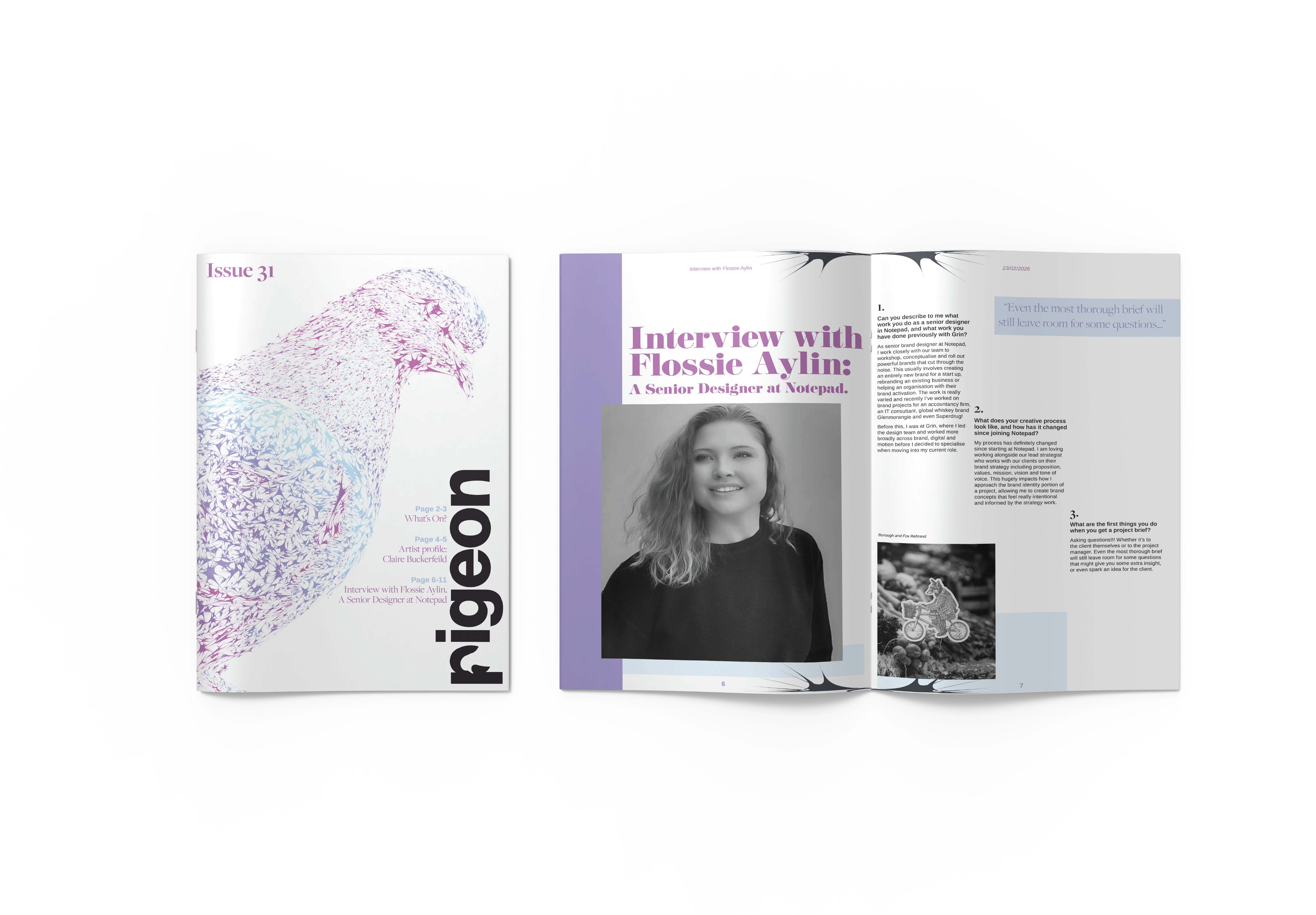
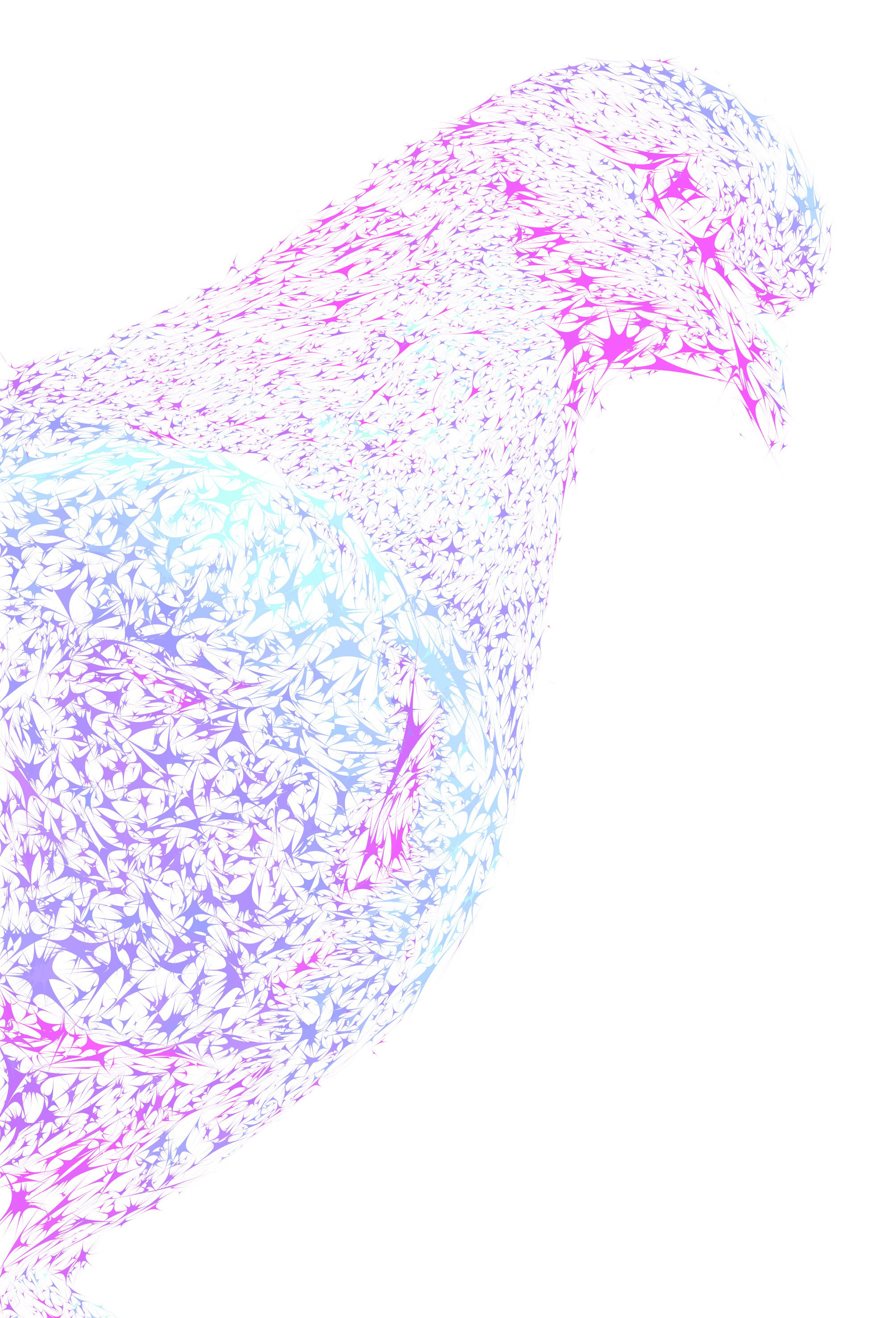
Pigeon is a collaboratively produced lifestyle magazine celebrating creative industries in Wolverhampton and the Black Country. I worked as both a lead and contributing designer, responsible for setting and following a shared visual system across multiple issues and spreads.
Overview
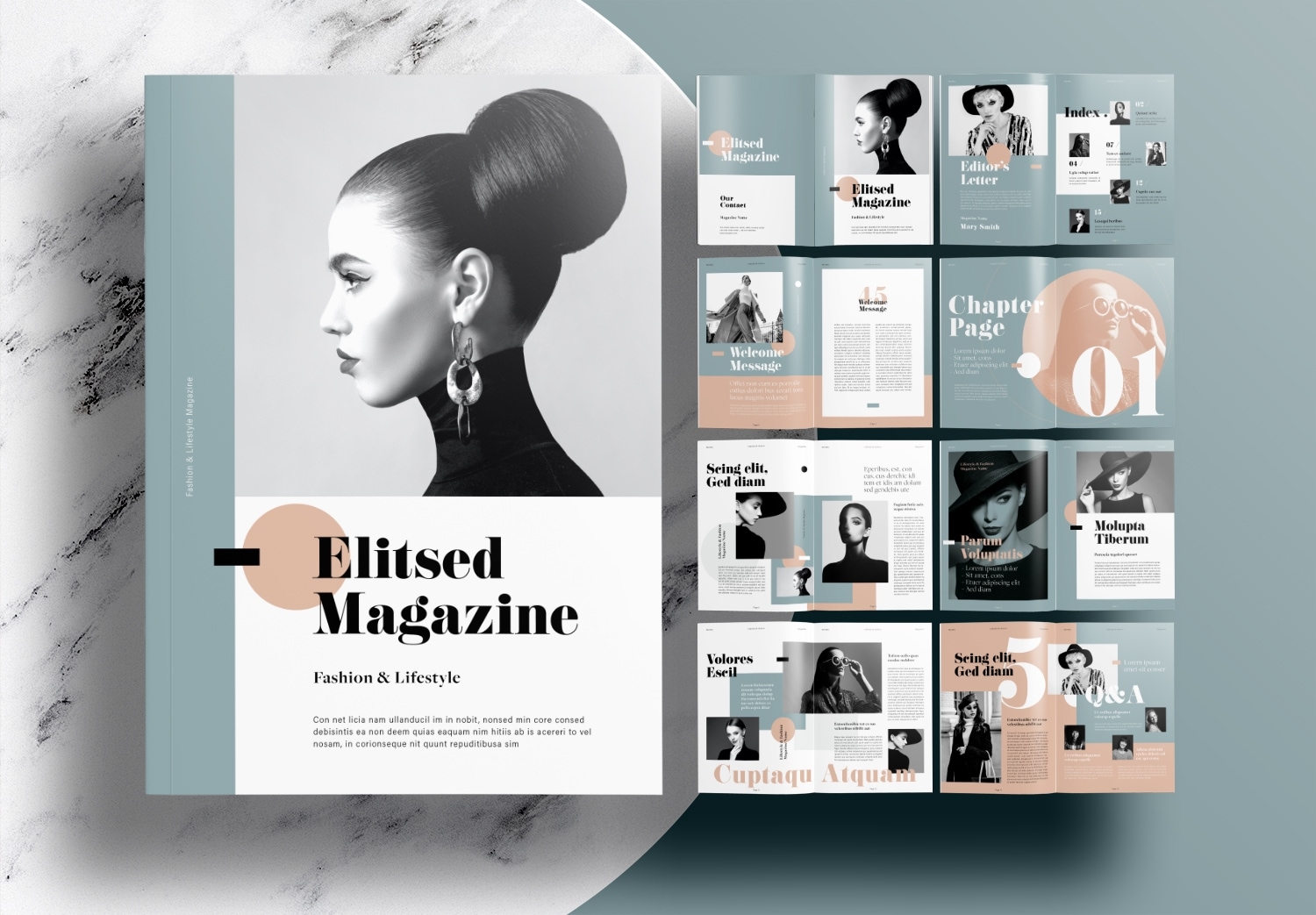
As Lead Designer, I directed a collaborative team of Level 3 and Level 6 designers to produce an 8–16 page lifestyle magazine celebrating creative industries across Wolverhampton and the Black Country. The publication aimed to showcase independent and underrepresented creatives while maintaining a cohesive, visually literate house style.
I adopted a minimalist design approach, refining my visual hierarchy and composition skills beyond my typical style. Key challenges included developing the style guide, managing workflow, and ensuring effective communication across roles. This project deepened my understanding of design leadership, organisation, and team dynamics.
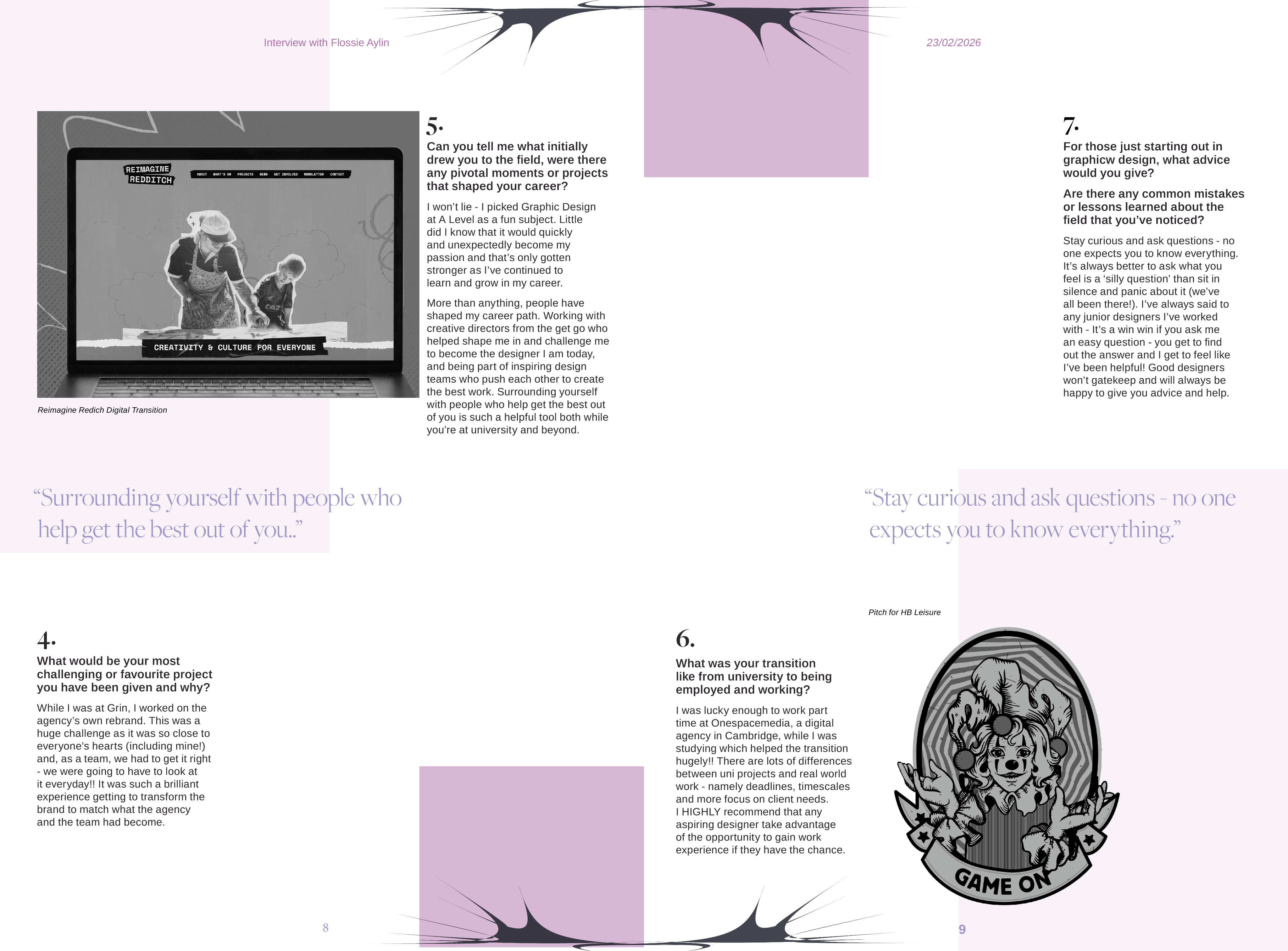
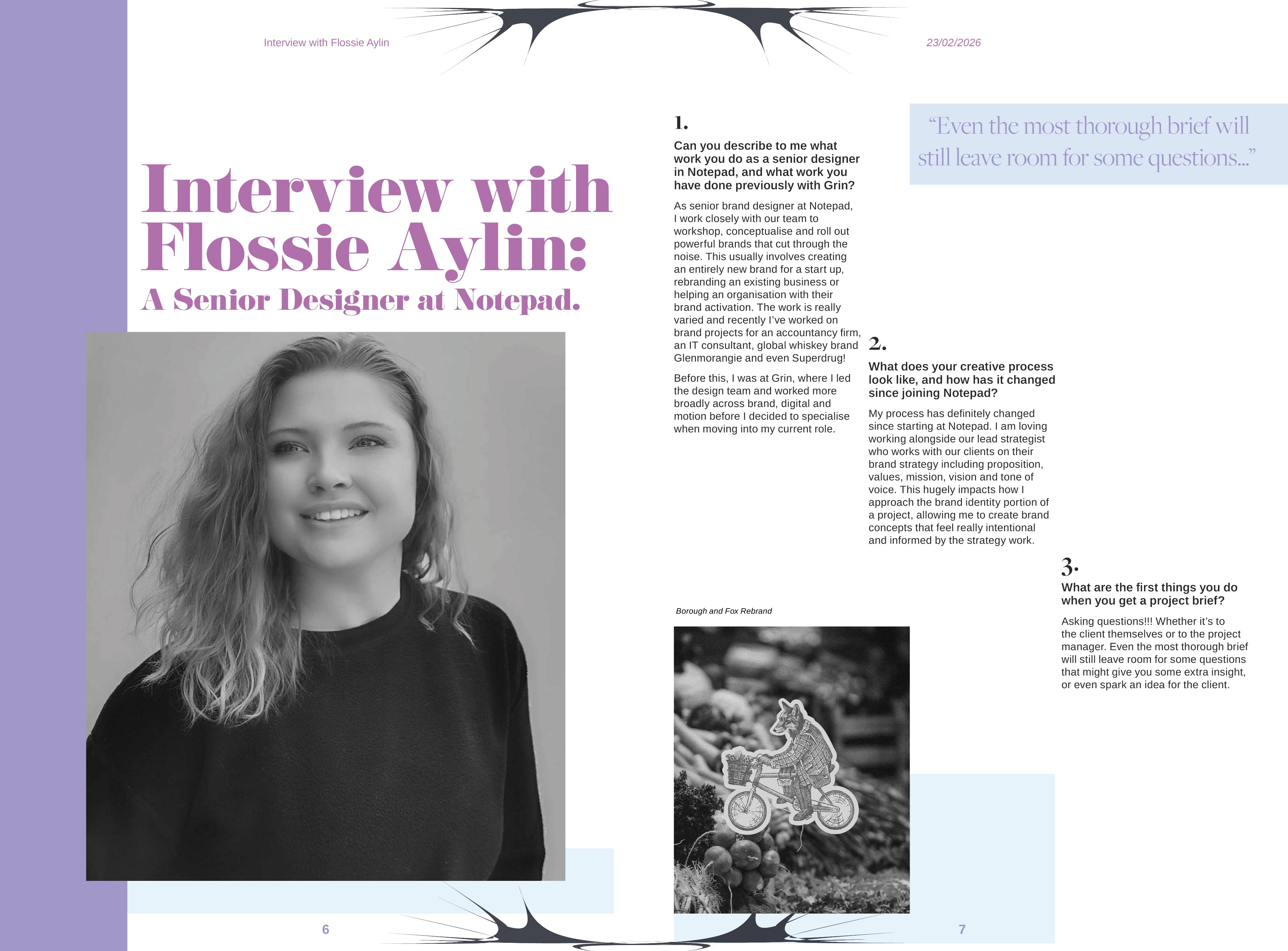
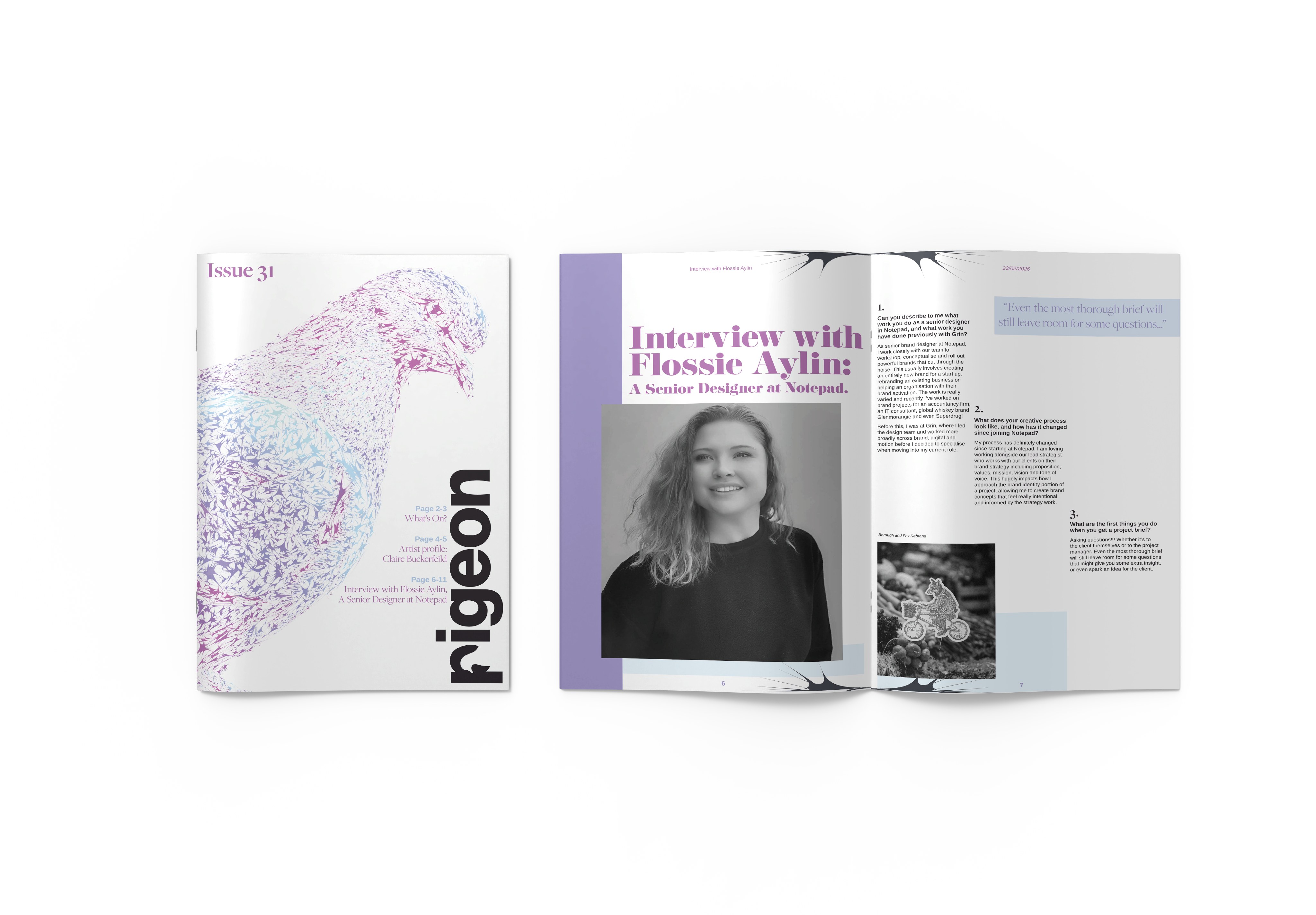
Research included an interview with Birmingham-based designer Flossie Aylin, whose insights into professional practice informed the magazine’s tone and contextual direction.

Collaboration
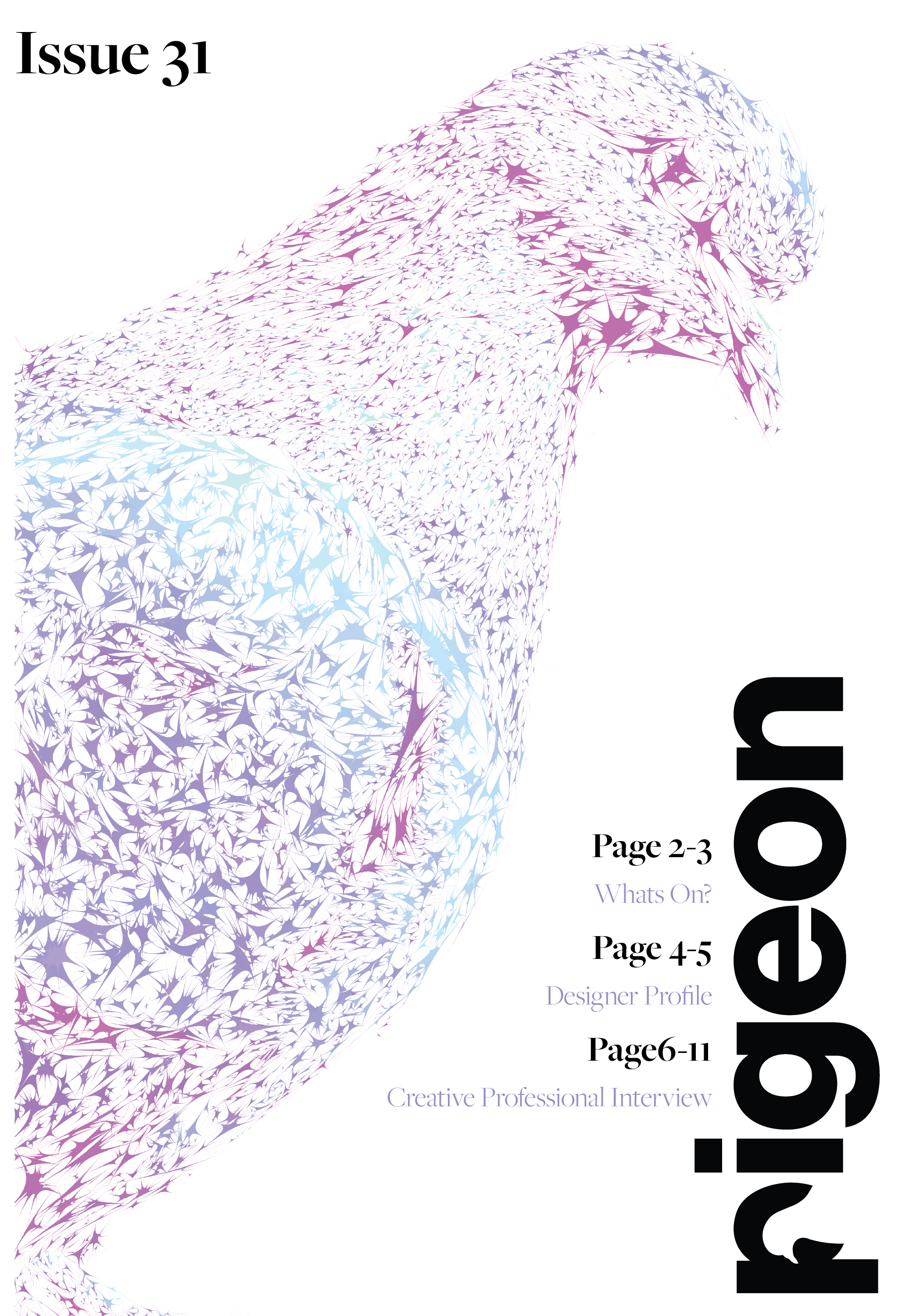
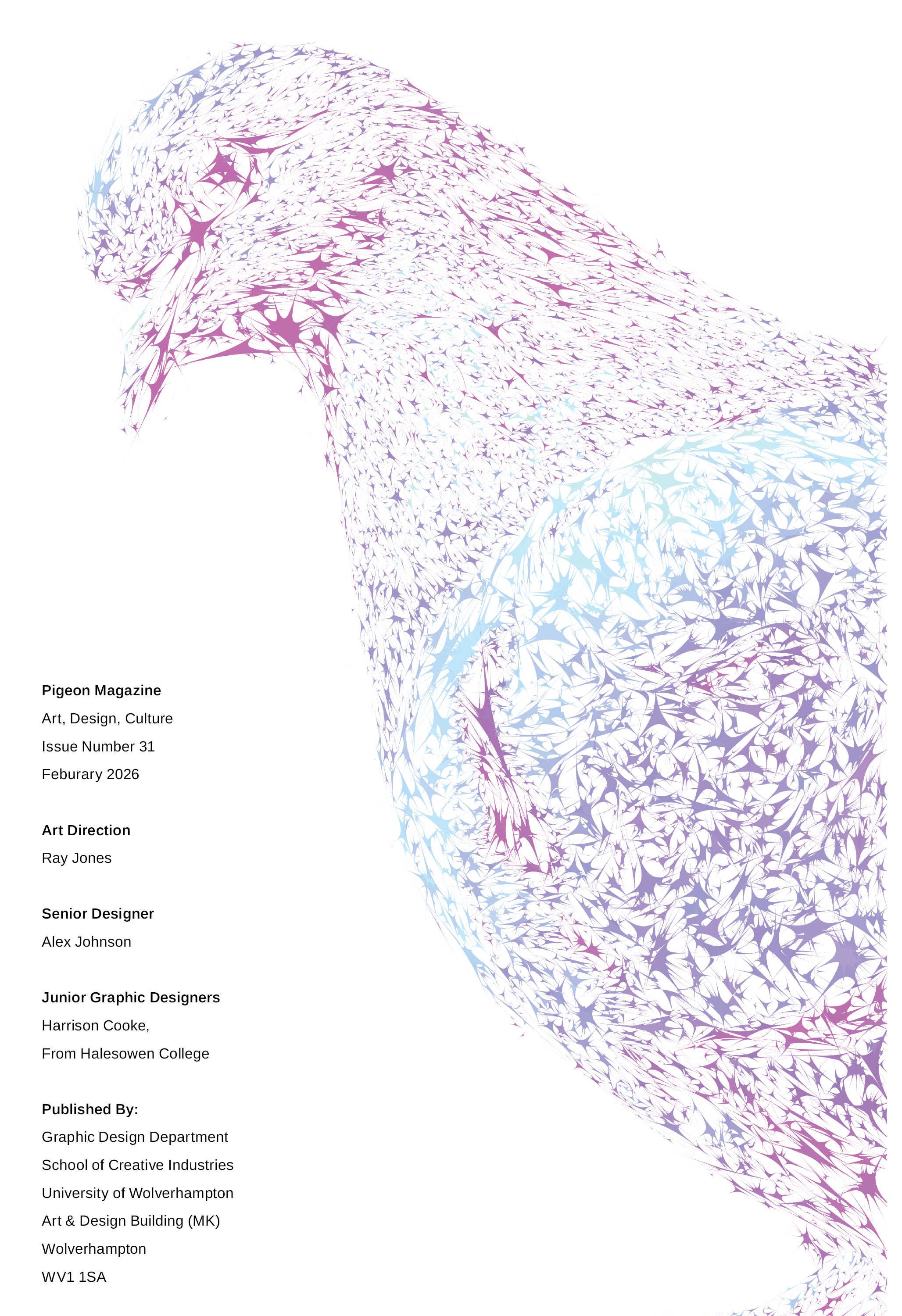
Feedback from the junior designer helped me recognise the balance between structure and creative freedom, while the ongoing partnership with senior designer ensured a smooth workflow. After critique, I refined all layouts, improving consistency through unified text alignment and spacing adjustments.
Despite the project’s tight turnaround, clear communication and organisation supported a successful outcome. Working across roles strengthened my confidence, leadership, and adaptability, and deepened my understanding of teamwork, critique, and design management within collaborative creative projects.
Style Guide
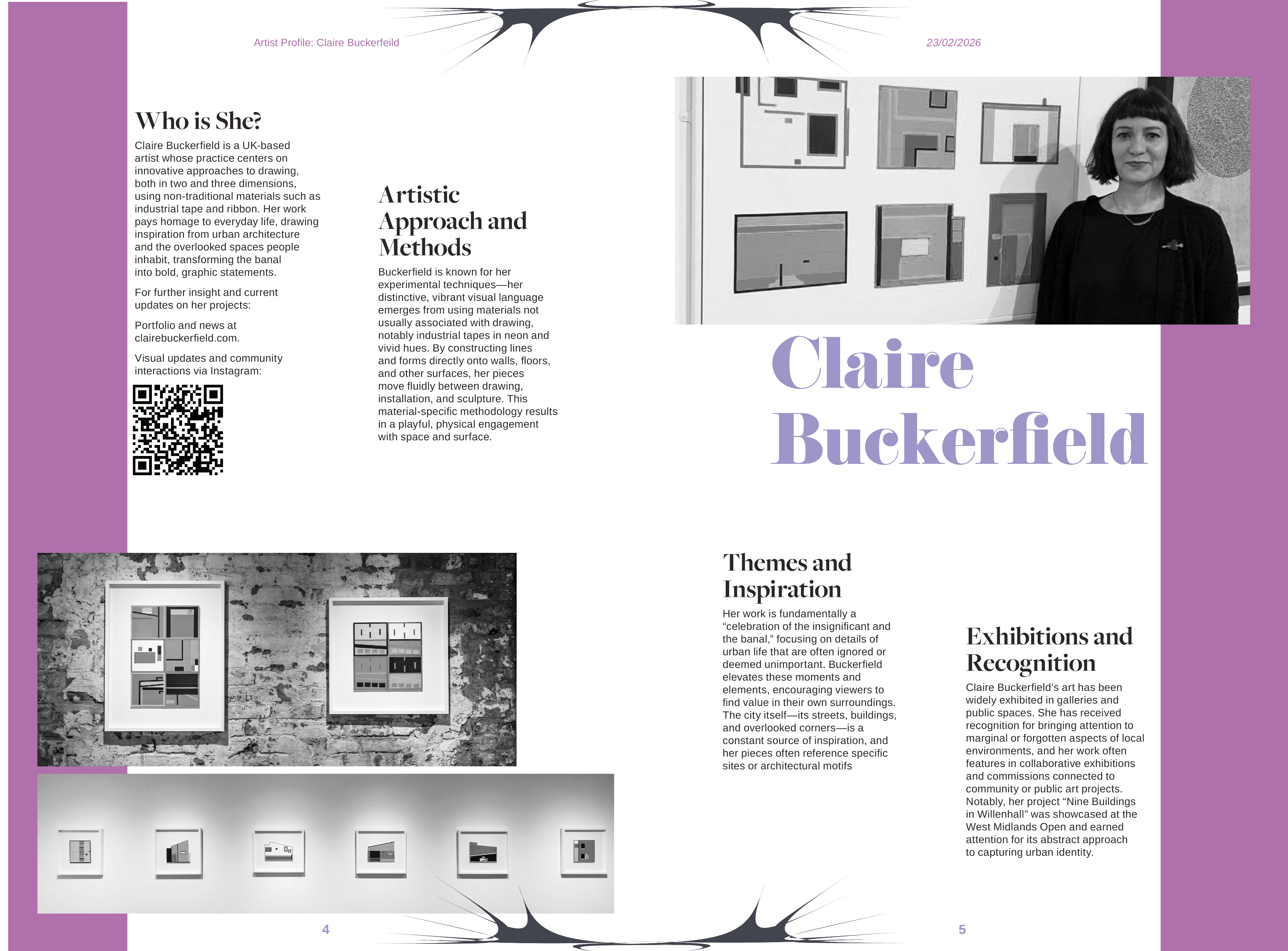
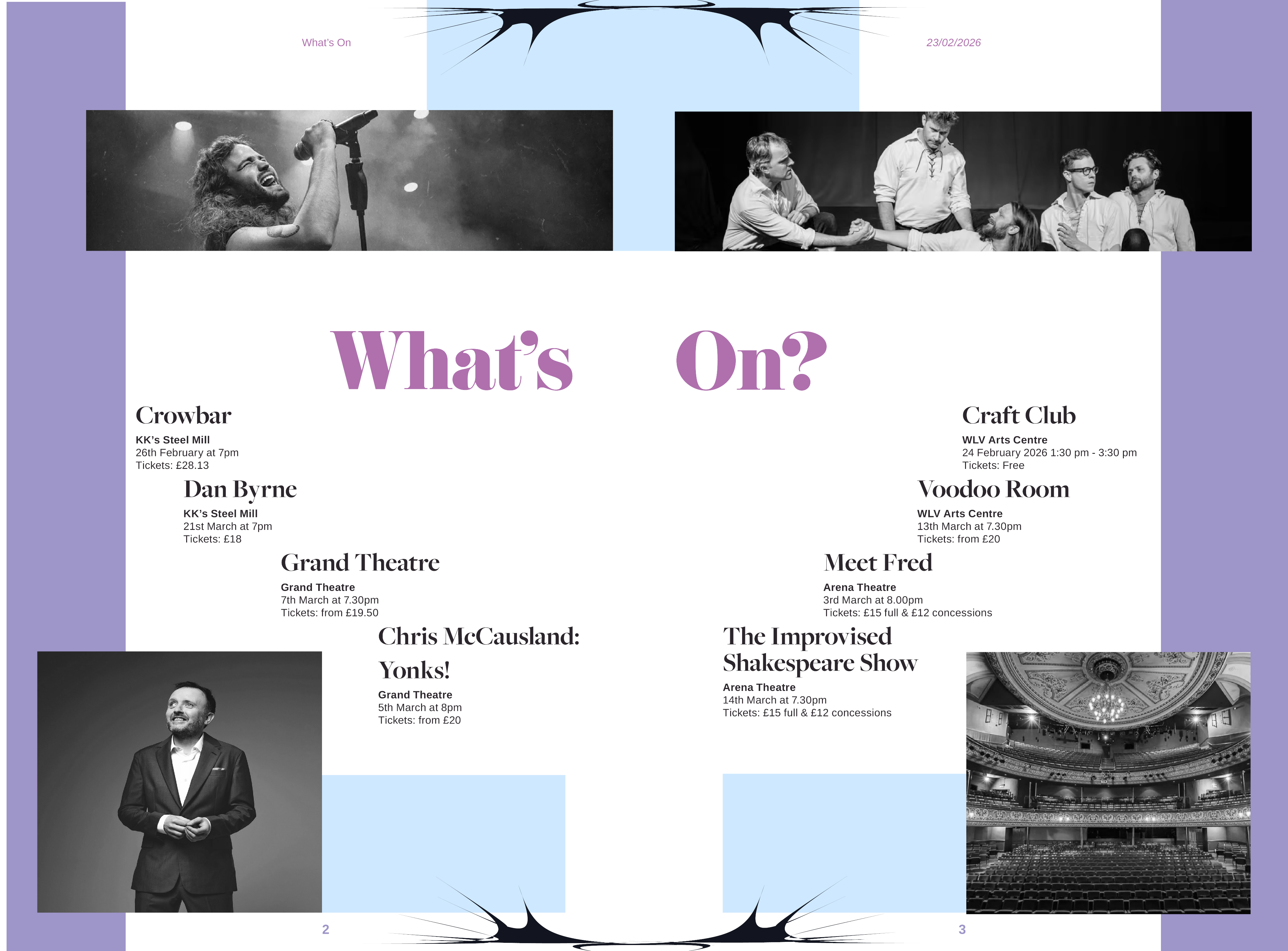
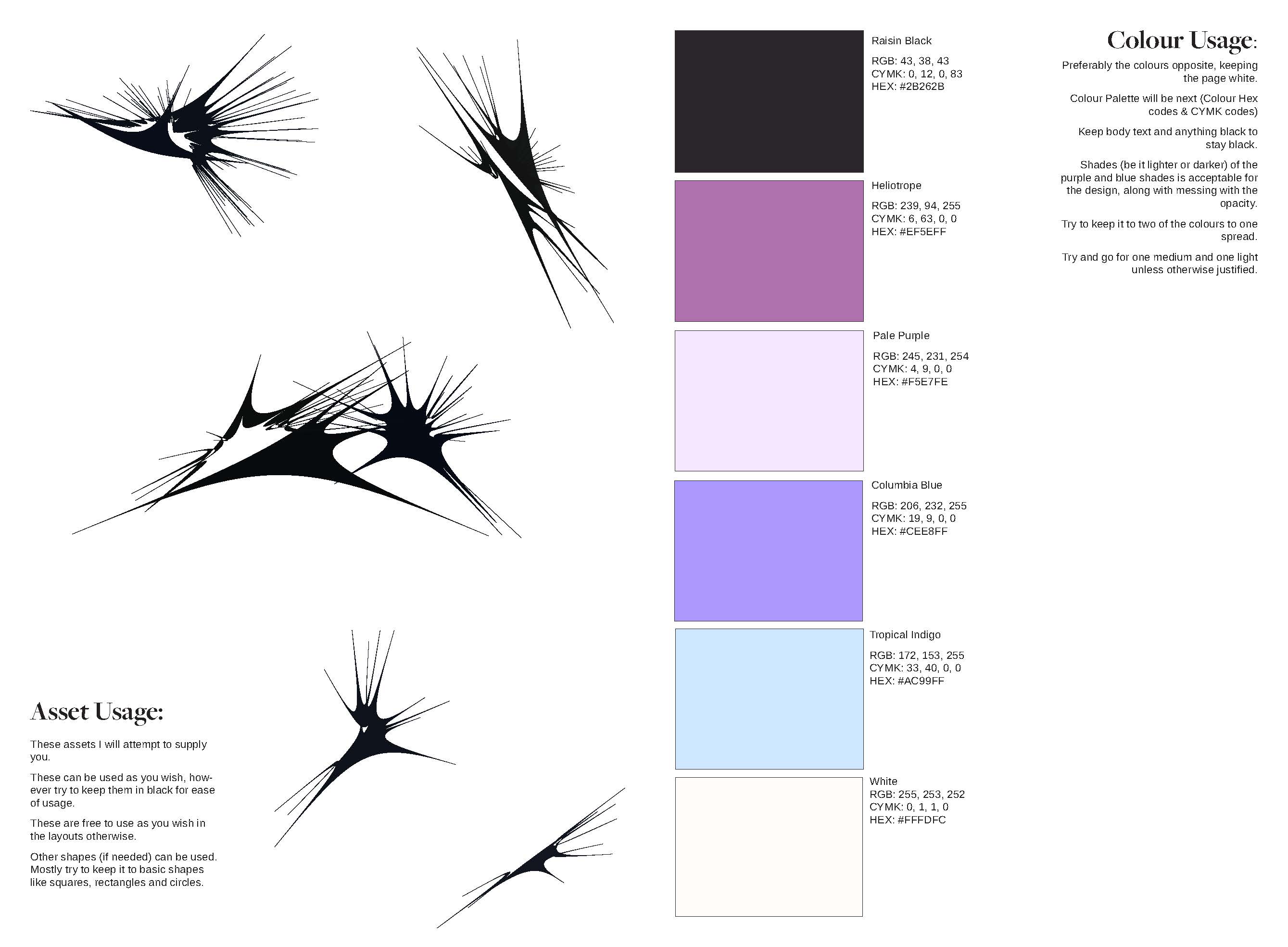
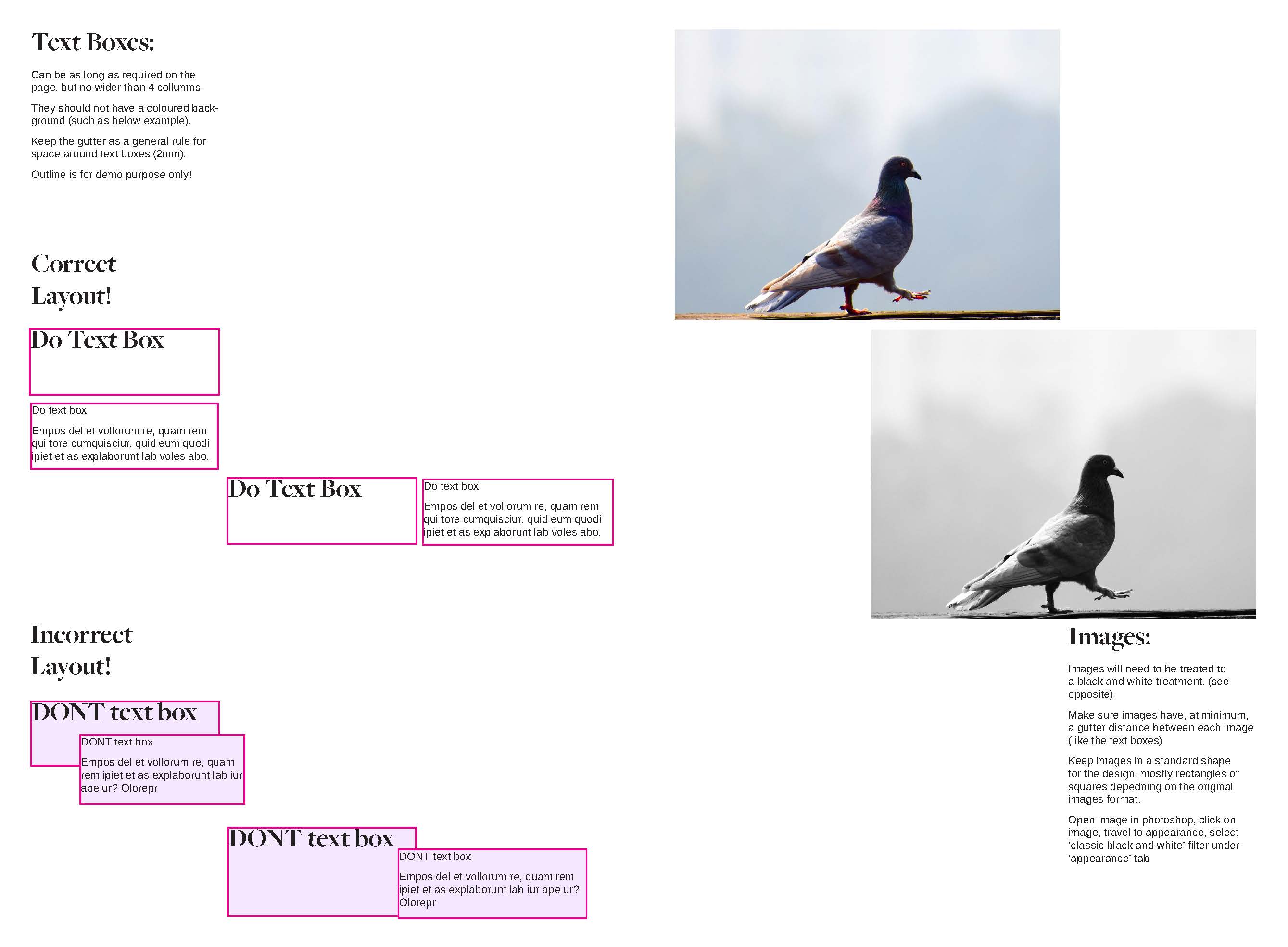
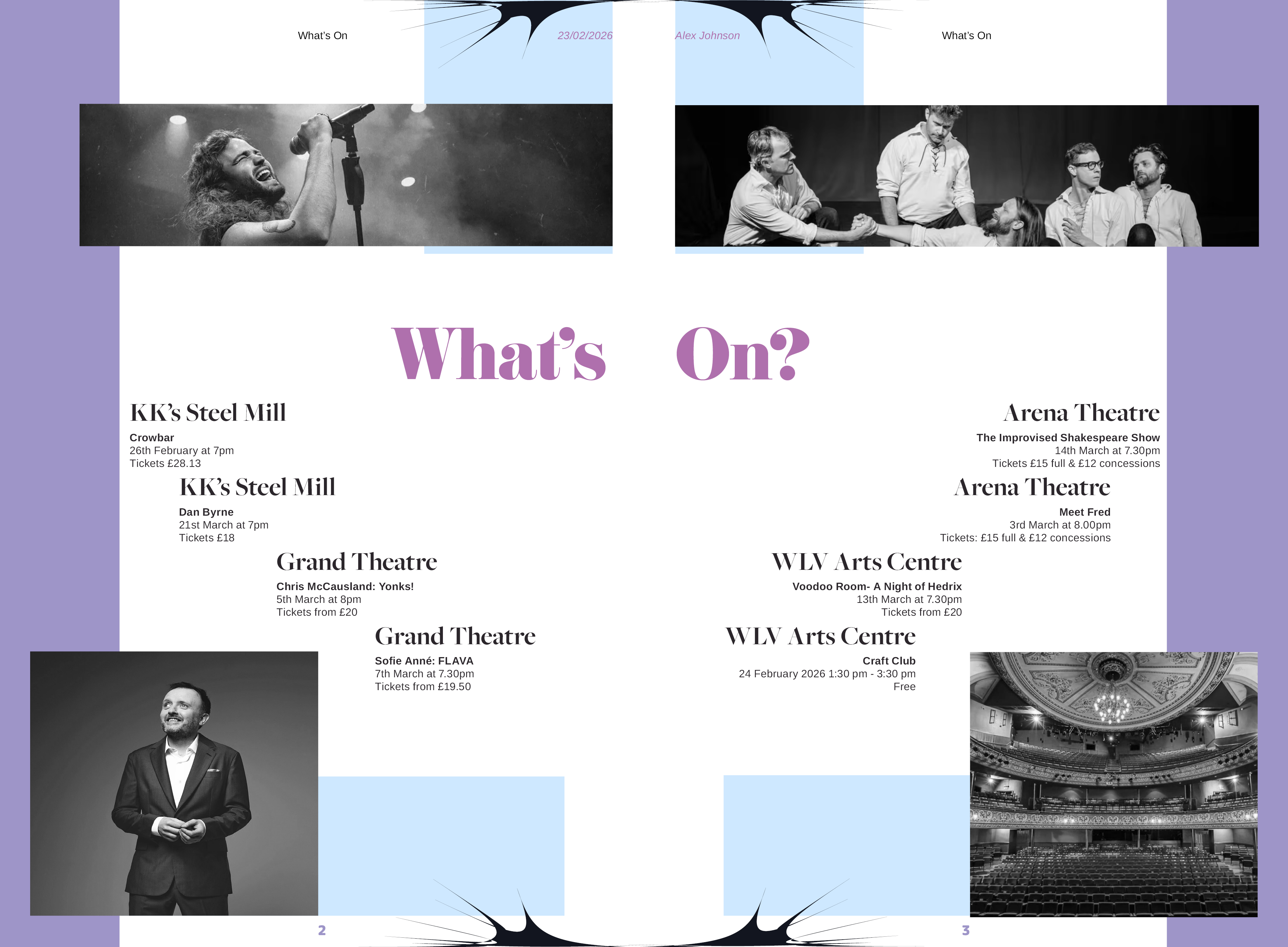
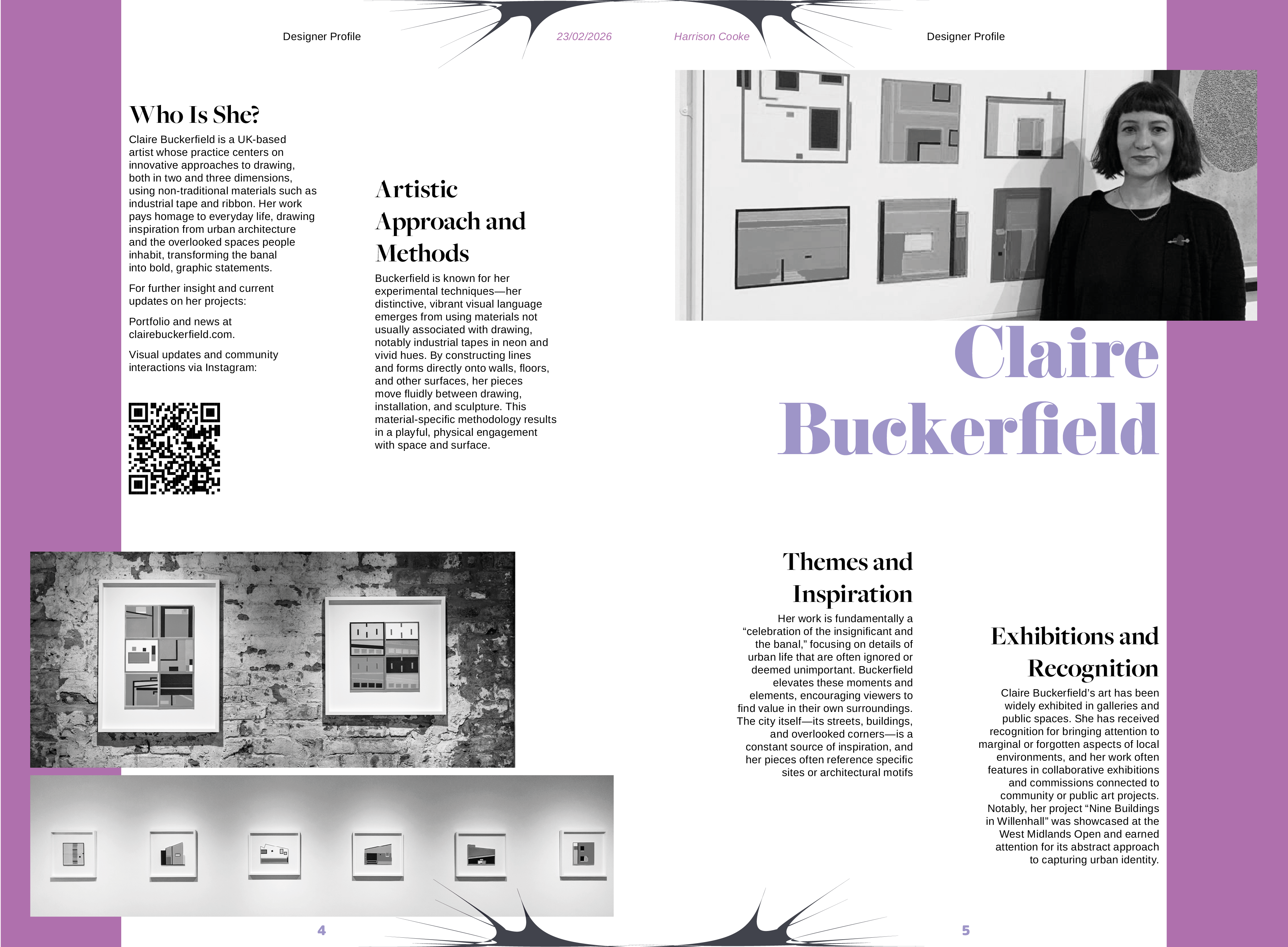
we had to design pages such as the ‘What’s On’ listings, an artist profile, and an extended interview spread. This meant negotiating between my own preferences and shortcomings, the established system that challenged them, and gain feedback from both a senior and junior designer. The project sharpened my editorial eye, especially around alignment, rhythm, and how small typographic changes can significantly improve legibility.”
Initial design outcomes included my own work alongside spreads by the senior and junior designers. I explored others’ concepts—such as adapting another art directors pigeon design from a double- to single-page layout—and enjoyed interpreting their visual guidelines. Collaboration proved insightful, highlighting how designers uniquely approach shared briefs.
EDITORIAL
Pigeon Magazine
Pigeon is a collaboratively produced lifestyle magazine celebrating creative industries in Wolverhampton and the Black Country. I worked as both a lead and contributing designer, responsible for setting and following a shared visual system across multiple issues and spreads.
Overview
As Lead Designer, I directed a collaborative team of Level 3 and Level 6 designers to produce an 8–16 page lifestyle magazine celebrating creative industries across Wolverhampton and the Black Country. The publication aimed to showcase independent and underrepresented creatives while maintaining a cohesive, visually literate house style.
I adopted a minimalist design approach, refining my visual hierarchy and composition skills beyond my typical style. Key challenges included developing the style guide, managing workflow, and ensuring effective communication across roles. This project deepened my understanding of design leadership, organisation, and team dynamics.
Research included an interview with Birmingham-based designer Flossie Aylin, whose insights into professional practice informed the magazine’s tone and contextual direction.
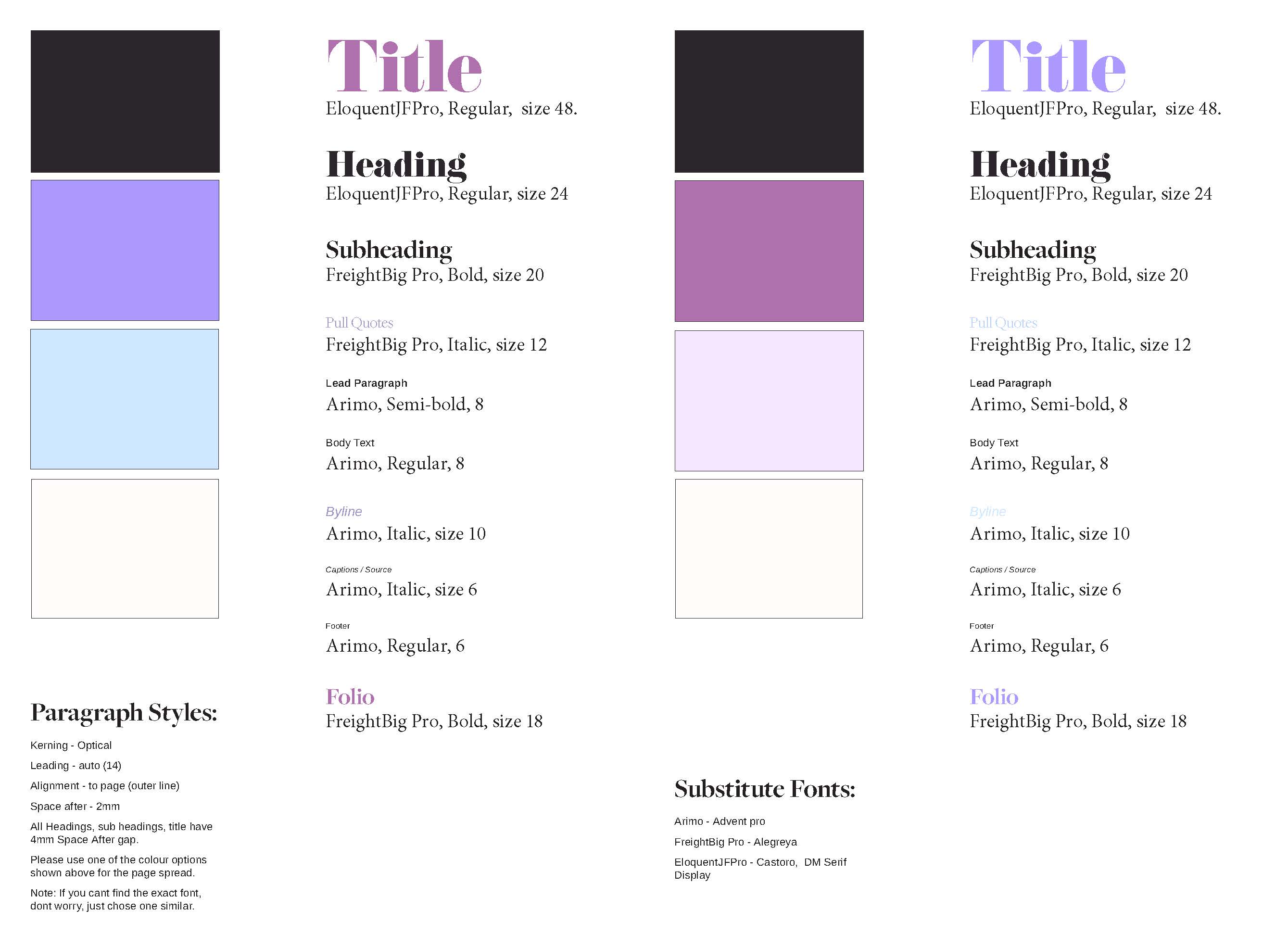
Style Guide
we had to design pages such as the ‘What’s On’ listings, an artist profile, and an extended interview spread. This meant negotiating between my own preferences and shortcomings, the established system that challenged them, and gain feedback from both a senior and junior designer. The project sharpened my editorial eye, especially around alignment, rhythm, and how small typographic changes can significantly improve legibility.”
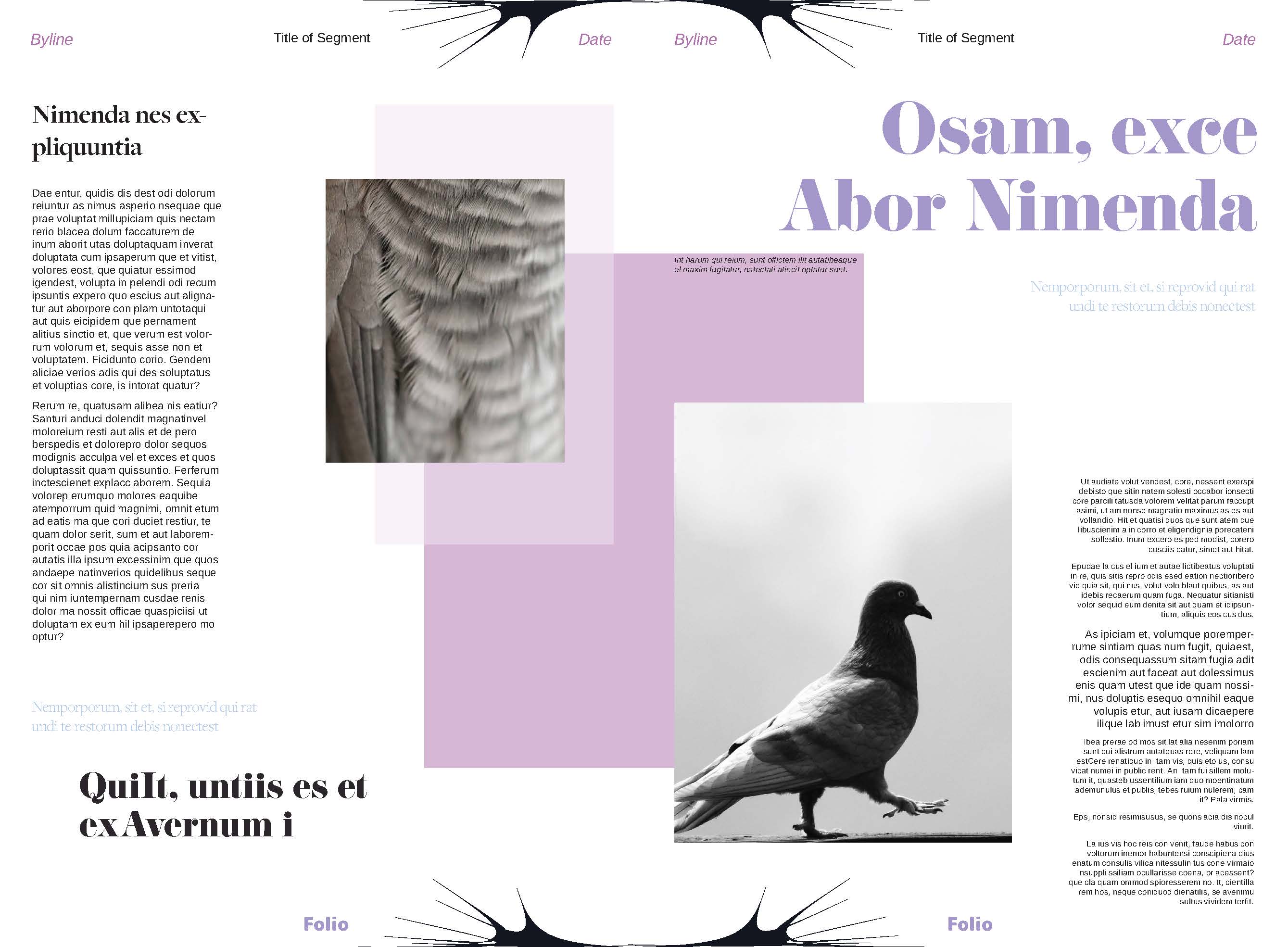
Initial design outcomes included my own work alongside spreads by the senior and junior designers. I explored others’ concepts—such as adapting another art directors pigeon design from a double- to single-page layout—and enjoyed interpreting their visual guidelines. Collaboration proved insightful, highlighting how designers uniquely approach shared briefs.
Collaboration
Feedback from the junior designer helped me recognise the balance between structure and creative freedom, while the ongoing partnership with senior designer ensured a smooth workflow. After critique, I refined all layouts, improving consistency through unified text alignment and spacing adjustments.
Despite the project’s tight turnaround, clear communication and organisation supported a successful outcome. Working across roles strengthened my confidence, leadership, and adaptability, and deepened my understanding of teamwork, critique, and design management within collaborative creative projects.